

Cart
0
The Matter of Hair09.13.26
What Is Telogen Effluvium?
BY CHRYOSIS
Grab a chair. The name sounds complicated, but the meaning is simple.
Hair grows in stages. Telogen is the resting stage. Effluvium means increased shedding. Telogen effluvium happens when more hairs than usual enter the resting stage and later shed around the same time.
Why does the shedding appear later?
The change begins inside the follicle before you see extra hair falling.
After an illness, surgery, childbirth or another major change in the body, more hairs may move from the growing stage into the resting stage. They can remain there for two to three months before shedding. This delay is well documented in research on telogen effluvium.
By the time you notice more hair in the shower, the event that started it may already be months behind you.
This is why the newest product in your bathroom often gets blamed. It happens to be present when you discover the shedding, but the follicle may be responding to something that happened much earlier.
What can cause it?
Common triggers include illness, a high fever, surgery, childbirth and major emotional stress. Weight loss or a large drop in food intake may also affect the hair cycle.
Certain medications can be involved too, especially after starting, stopping or changing a dose. Speak with the clinician who prescribed your medication before making any changes.
Sometimes there is no clear trigger. The body does not always leave a neat receipt.
Why can curly hair make it look worse?
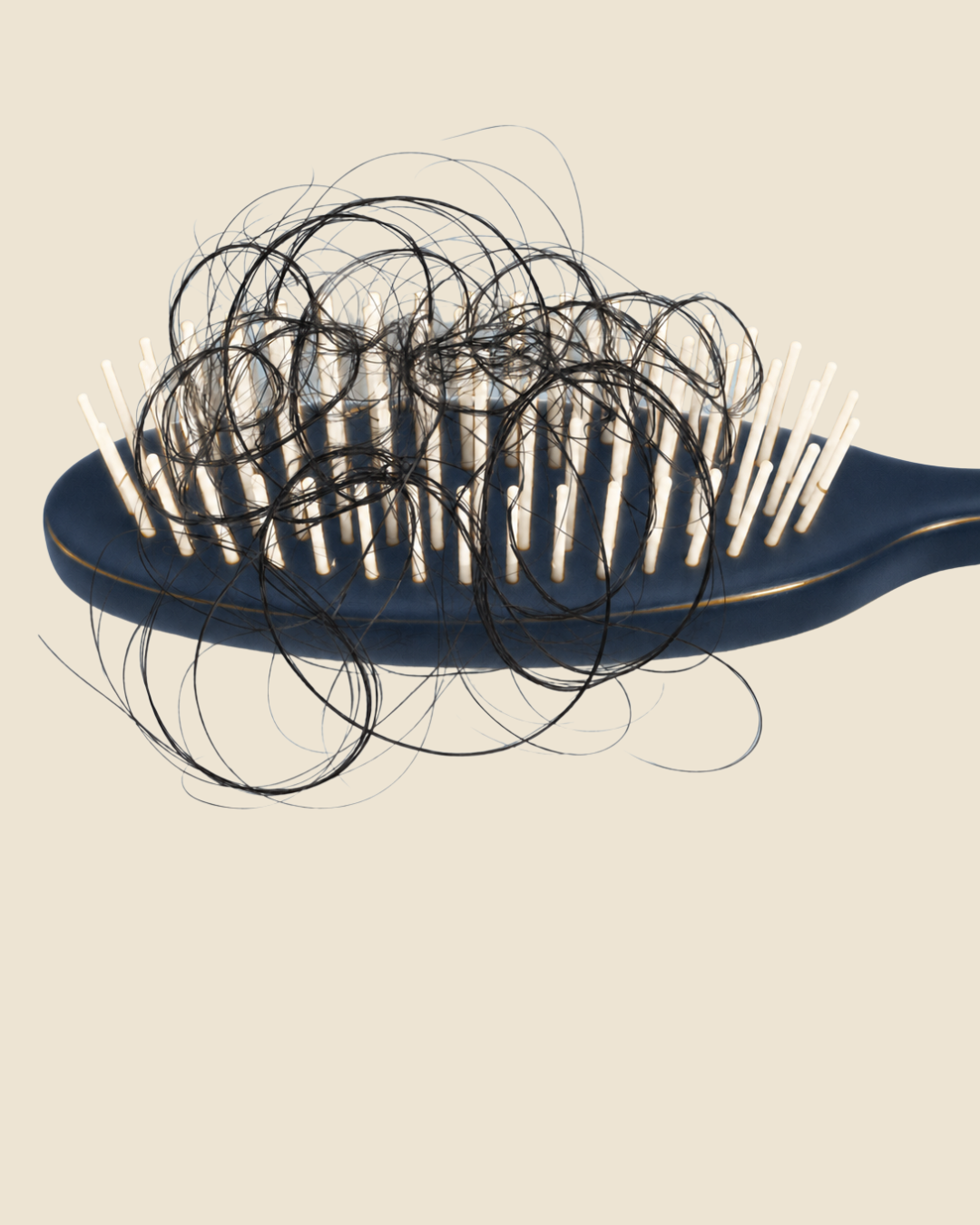
Loose hairs can stay caught between curls and coils instead of falling away. When you finally wash or detangle, several days of shed hair may appear at once.
That pile can look sudden, even when the hairs were released over several days. One wash day cannot tell you whether you have telogen effluvium.
A shed hair is usually close to the full length of the strand. Breakage often appears as shorter pieces. Both can happen at the same time.
What should you do?
A board-certified dermatologist can check whether the shedding matches telogen effluvium or another form of hair loss. They may also consider blood work when your health history points to iron deficiency, thyroid problems or another medical cause.
Seek an evaluation if the shedding continues, your part becomes wider, you notice clear patches or your scalp feels painful or inflamed.
What hair care can and cannot do
Gentle detangling can reduce breakage. A comfortable scalp routine can help with irritation. Styling products can make your hair easier to work with while its density changes.